What Is IPTV and How Does It Work?
A plain-language explanation of IPTV — what it is, how it differs from cable and satellite, and what you actually need to get started.
IPTV, defined simply
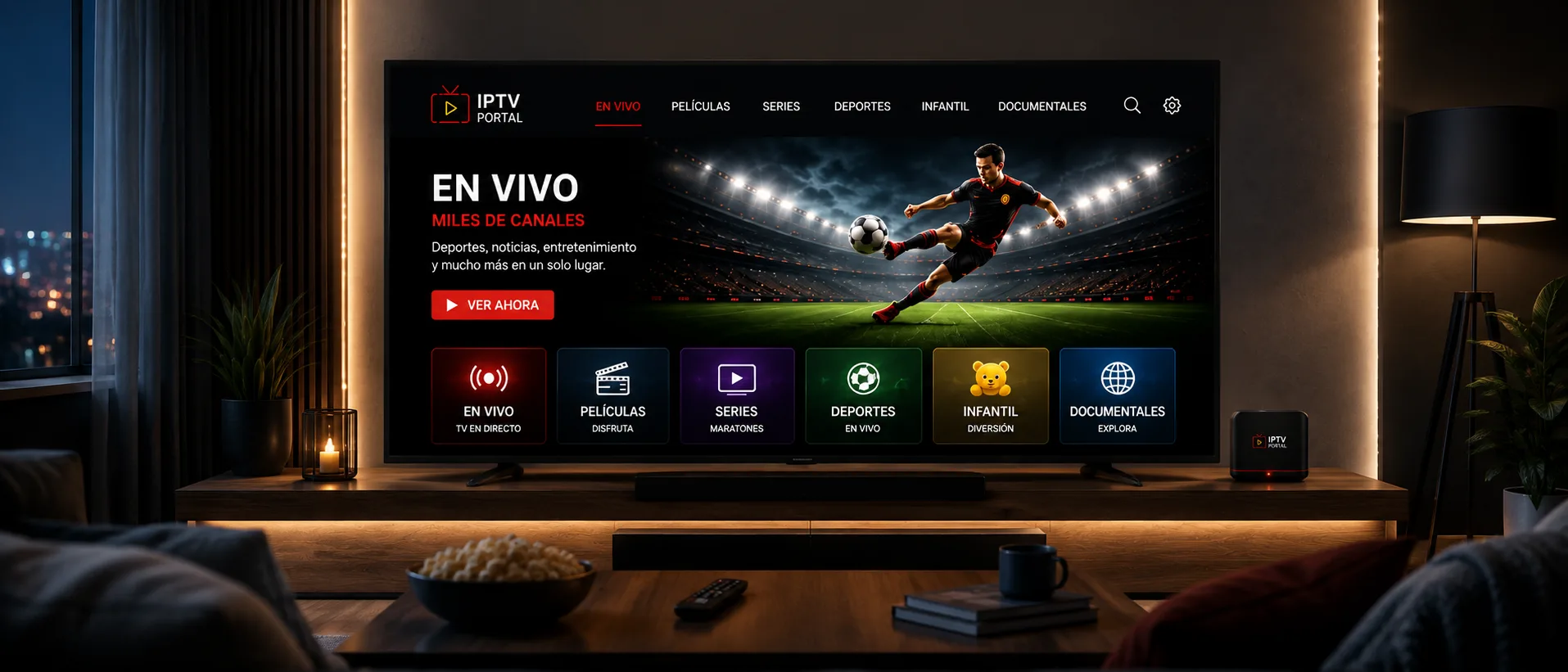
IPTV stands for Internet Protocol Television. Instead of receiving channels through a satellite dish or a coaxial cable line, your TV signal travels over the same internet connection you already use for browsing and streaming. The channel is broken into data packets, sent over the internet, and reassembled by an app on your device into a normal-looking video stream.
In practice, this means you don't need a dish installed on your roof or a technician running cable through your walls. If you have a reasonably stable internet connection, you can access live channels through software alone.
How it differs from cable and satellite
Cable and satellite TV broadcast every channel to every subscriber simultaneously over dedicated infrastructure, whether you're watching or not. IPTV instead sends you a stream on demand, more like how a video call or a music streaming service works — data flows specifically to your device when you request it.
The practical upshot is flexibility: IPTV apps run on ordinary consumer devices (phones, Smart TVs, streaming boxes) rather than requiring a proprietary receiver box tied to one provider.
What you actually need to get started
Three things: a stable internet connection (a wired connection or strong Wi-Fi is best, particularly for HD or 4K content), a compatible device — see our full list on the devices page — and an active subscription with login credentials from your provider.
Setup itself is usually just installing an app and entering the details you were given. Our installation guides walk through the process for each supported device.